Living Hinge Chair

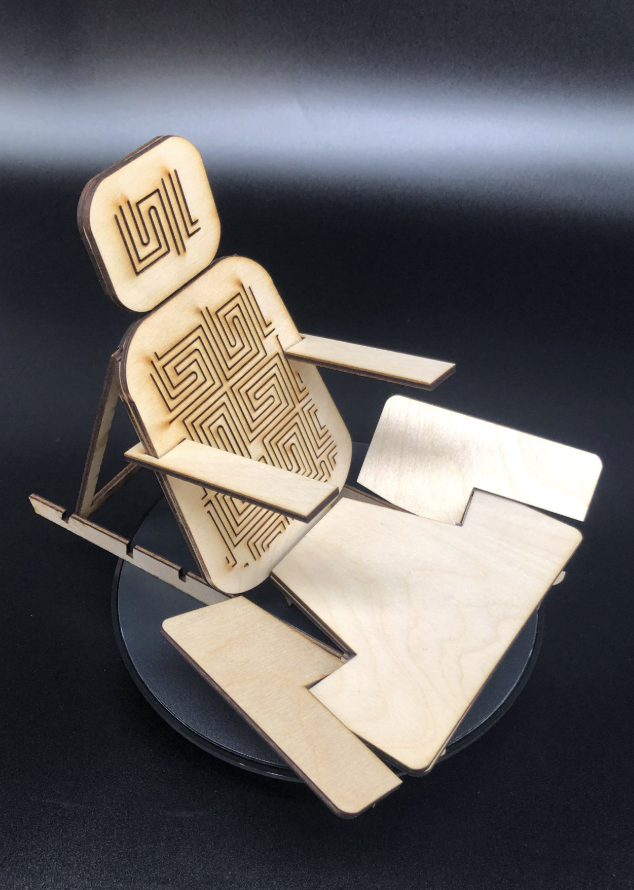
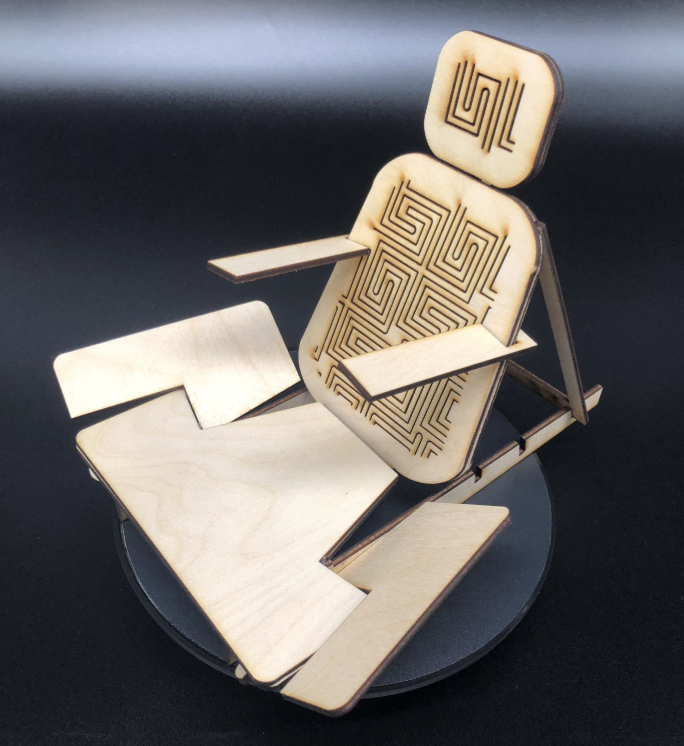
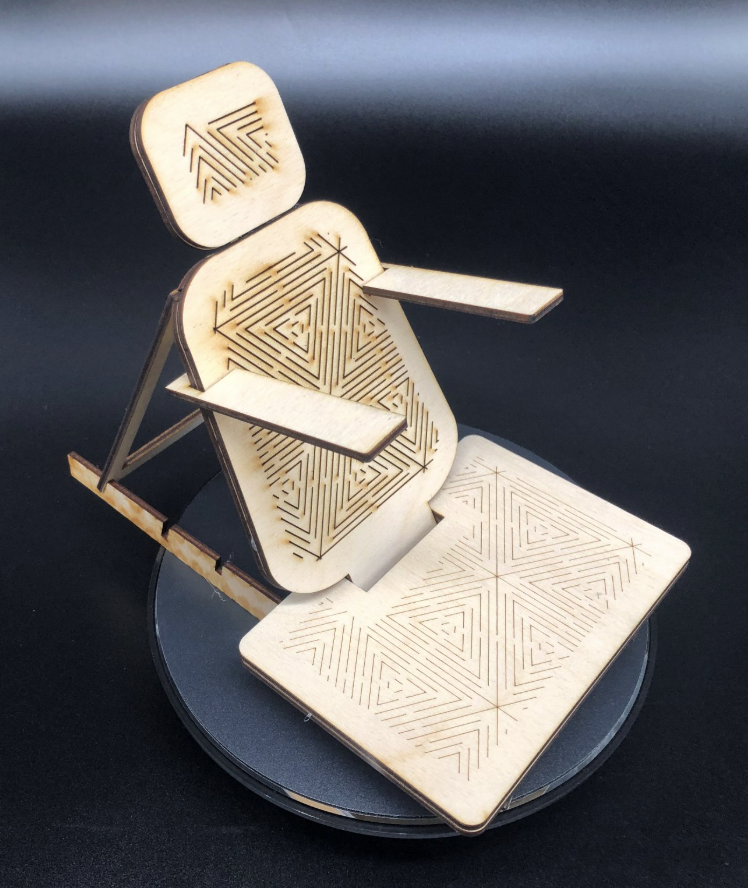
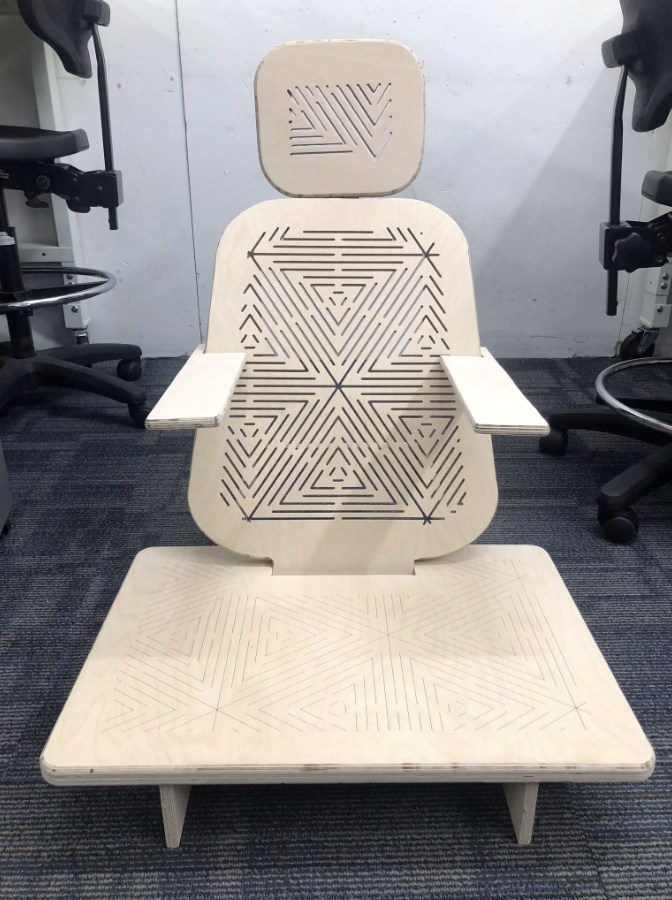
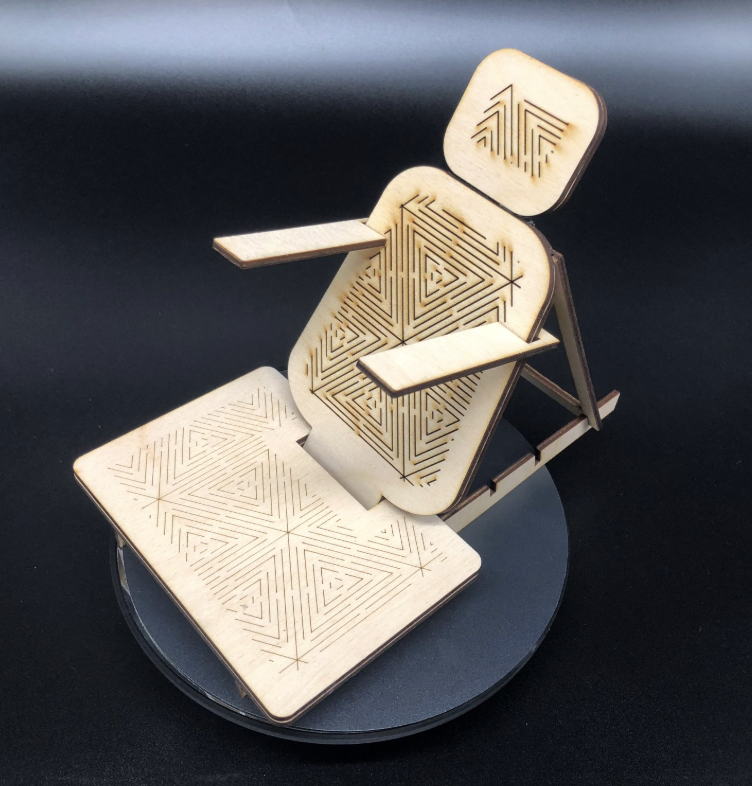
A flat-pack chair inspired by the ergonomics of car seating and the relaxation of a pool lounge, designed with adjustable living-hinge construction and interchangeable patterned panels for easy customization and storage.
Project Scope: Illustration | Typography | Poster Design

Project Duration: Fall 2024 (Semester-long)

Tools Used:  Rhino 7 & 8 | Illustrator | Lightroom
Project Objective

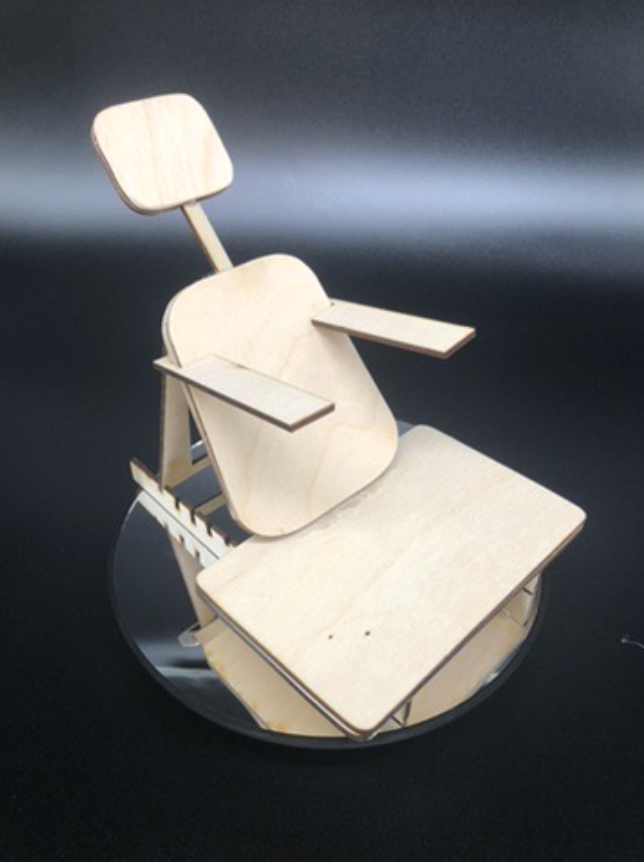
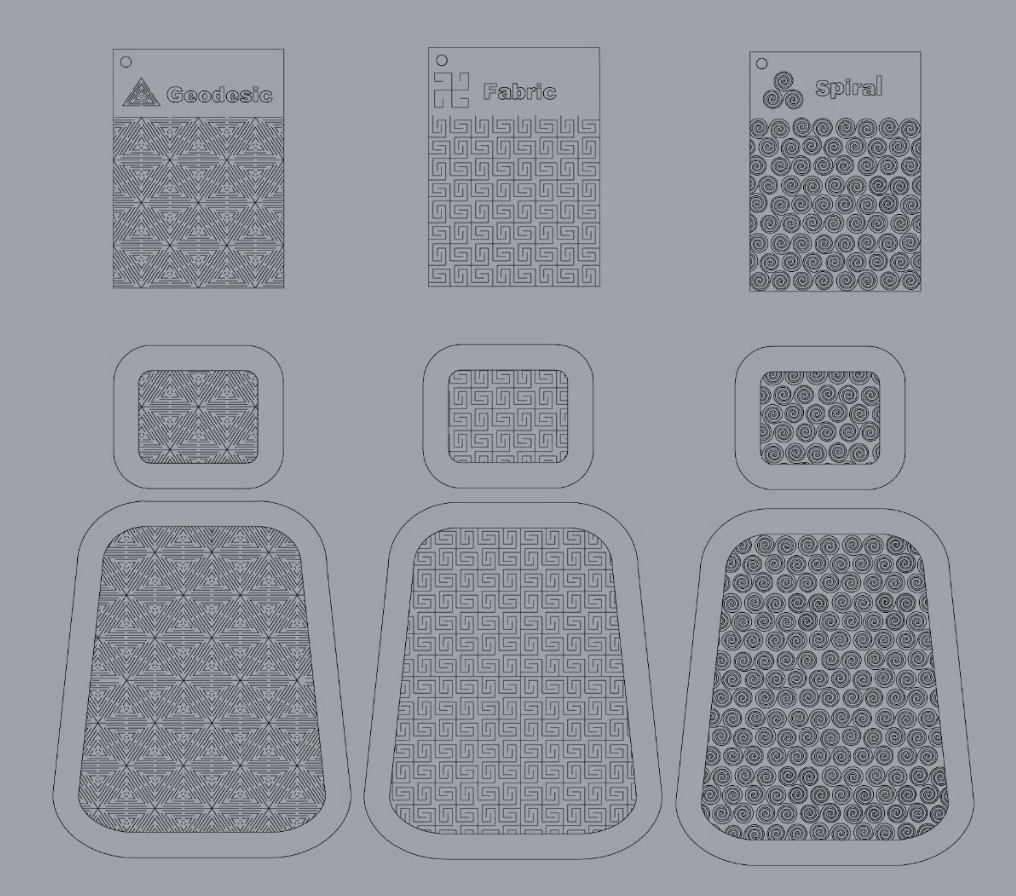
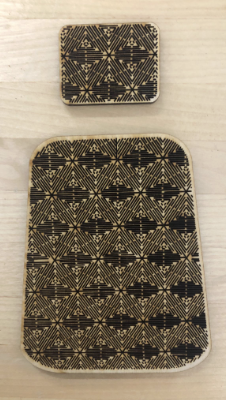
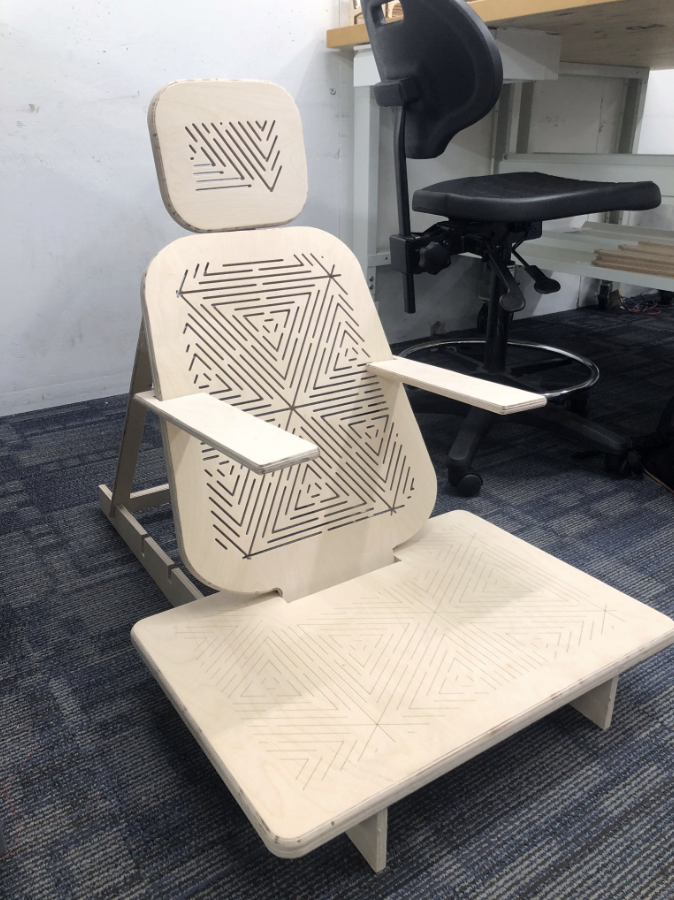
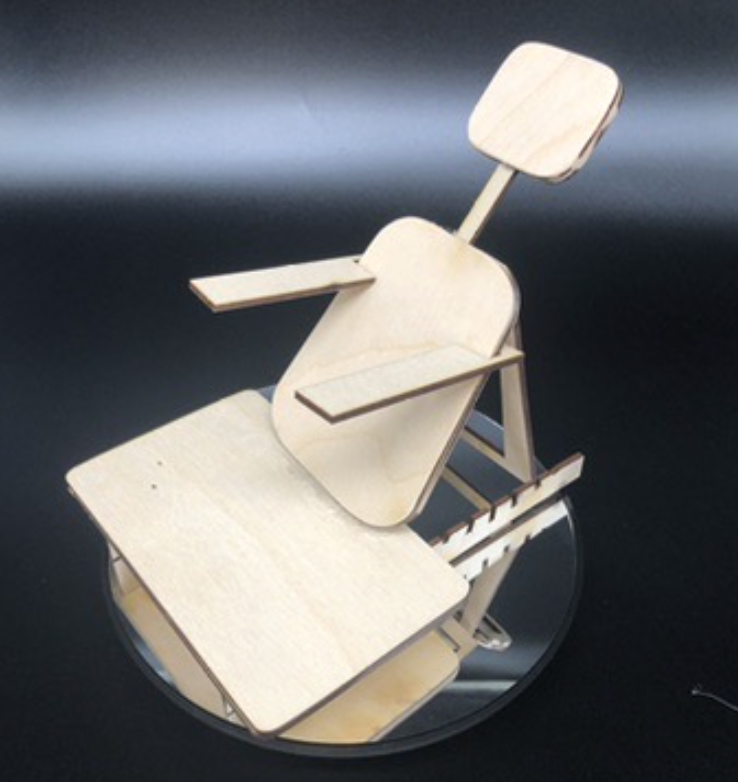
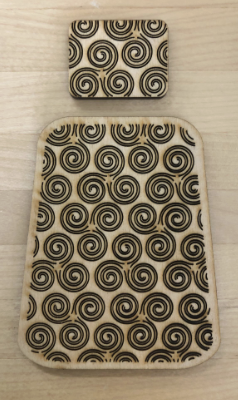
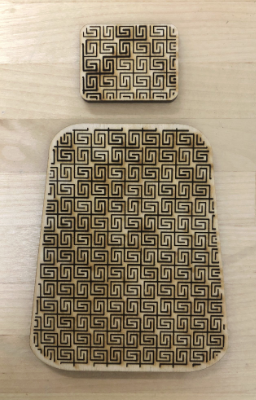
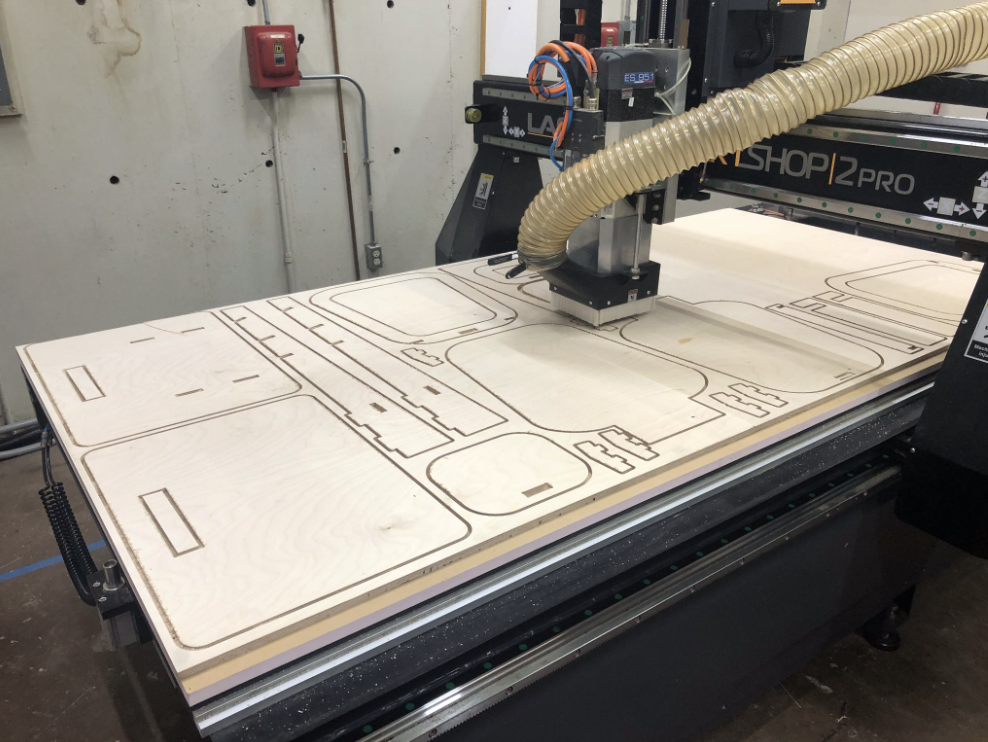
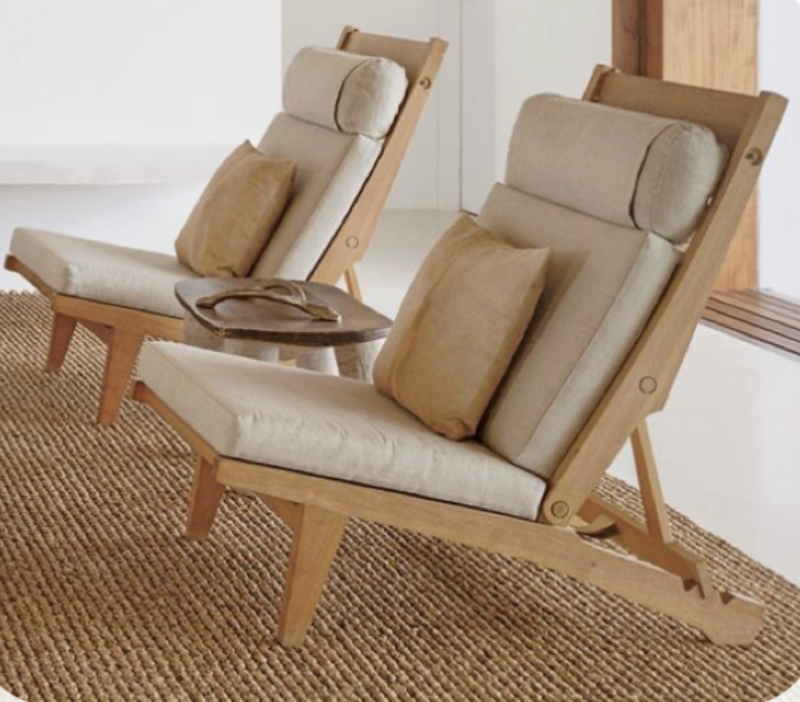
This project focused on designing a flat-pack chair that blends the ergonomic comfort of a car seat with the relaxed feel of a pool lounge chair. Using CNC-routed plywood and a living-hinge system, I aimed to create a functional, lightweight chair that folds, adjusts, and stores easily. The final design includes interchangeable seat panels—one perforated and one laser-engraved—allowing users to switch between aesthetic and performance-driven surface options.

Design Strategy

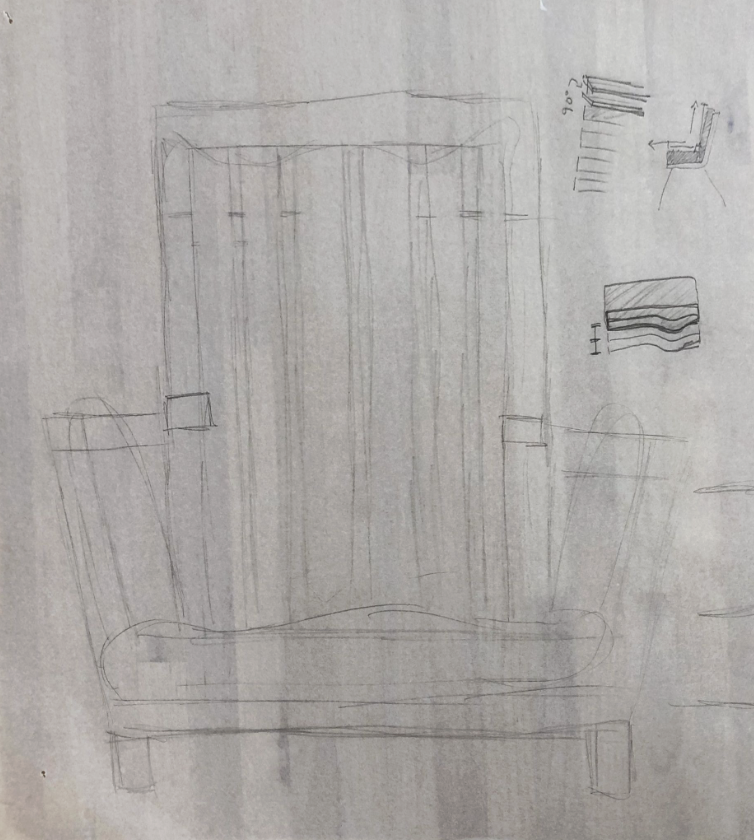
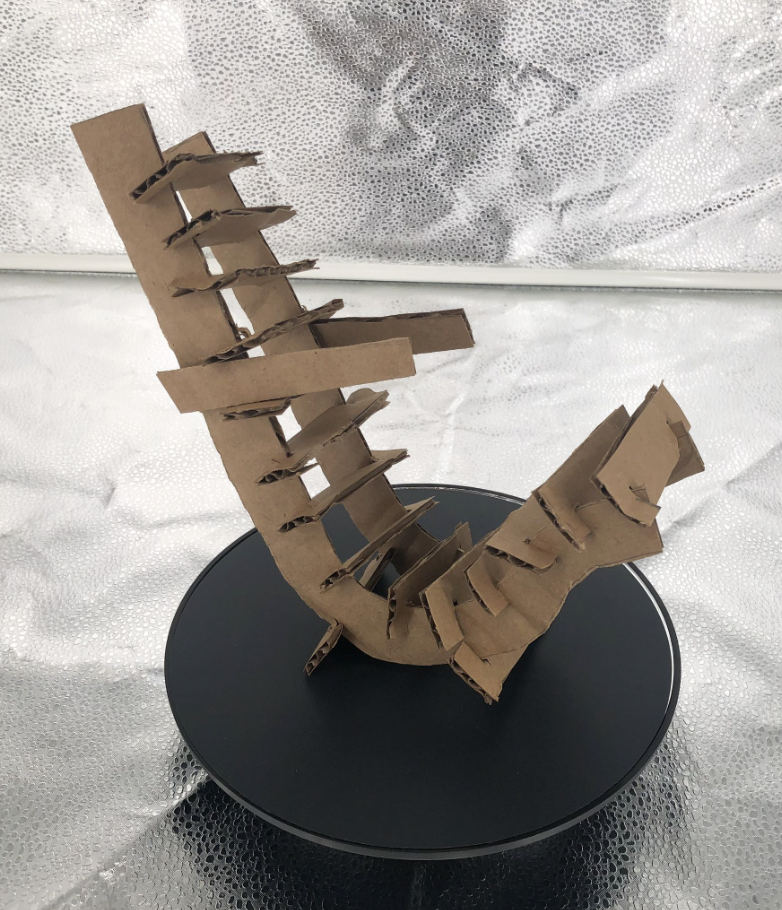
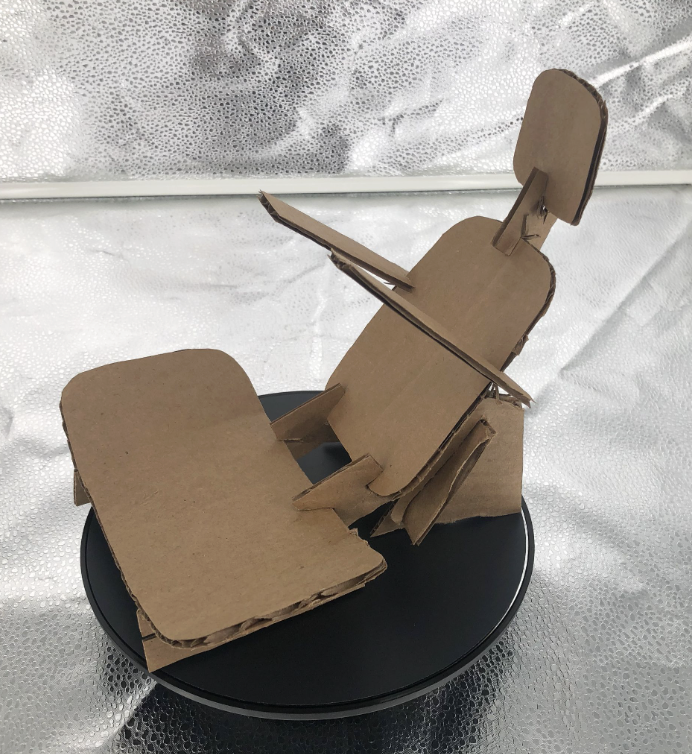
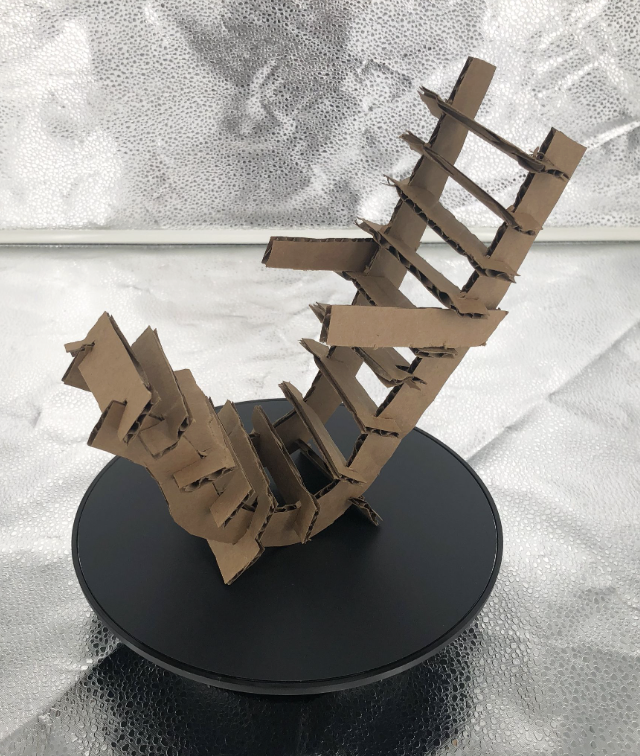
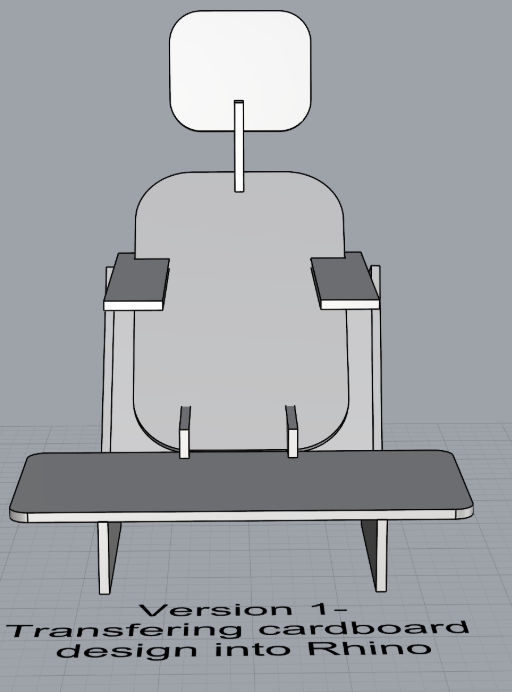
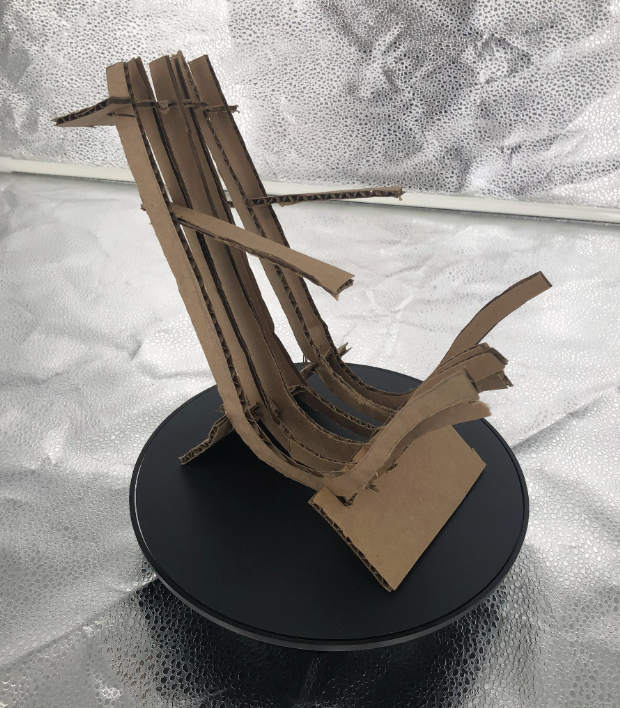
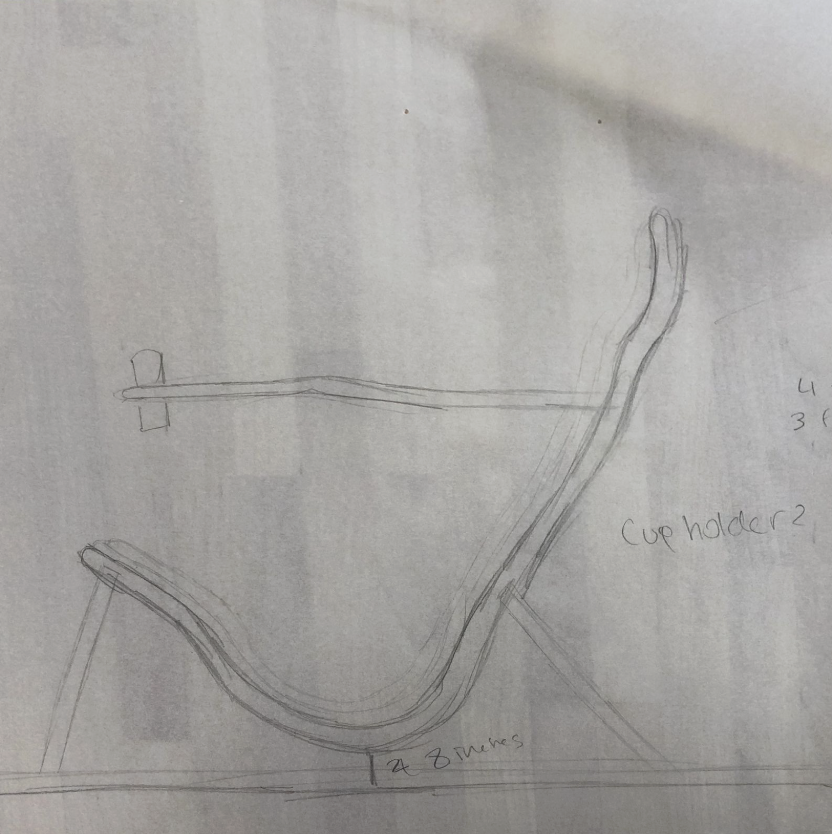
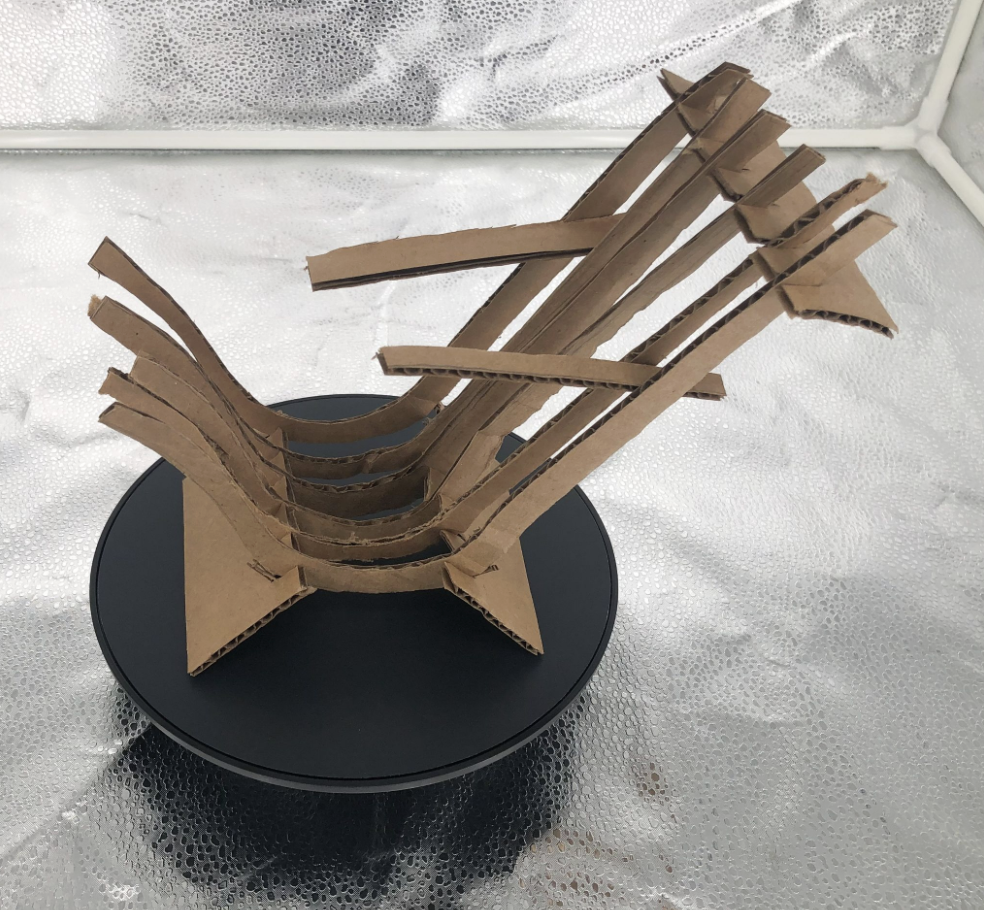
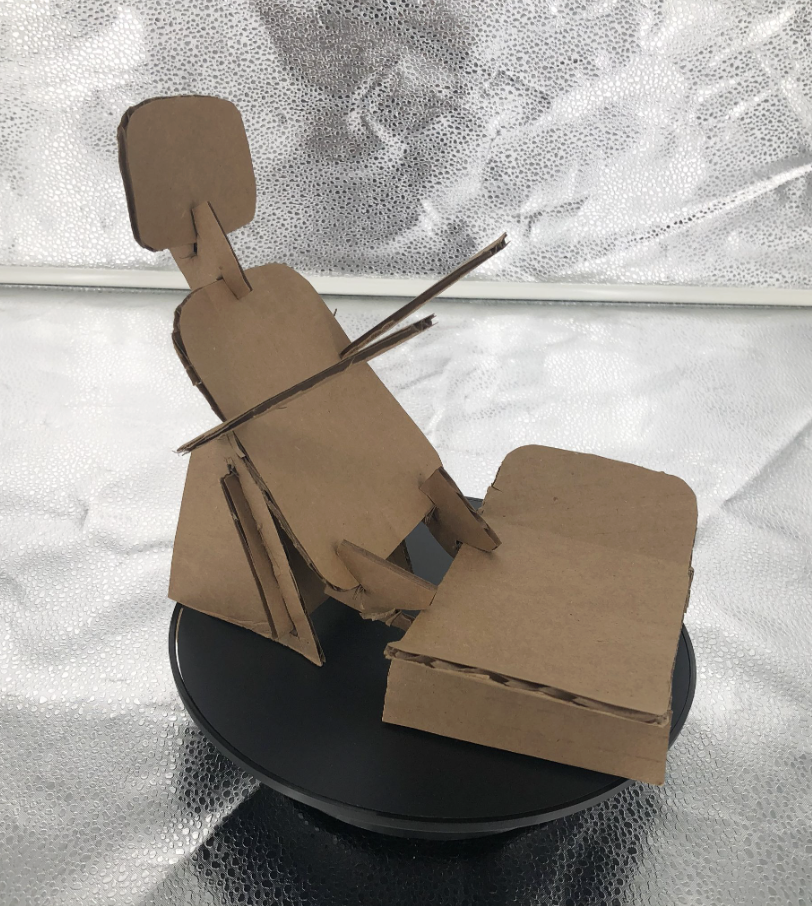
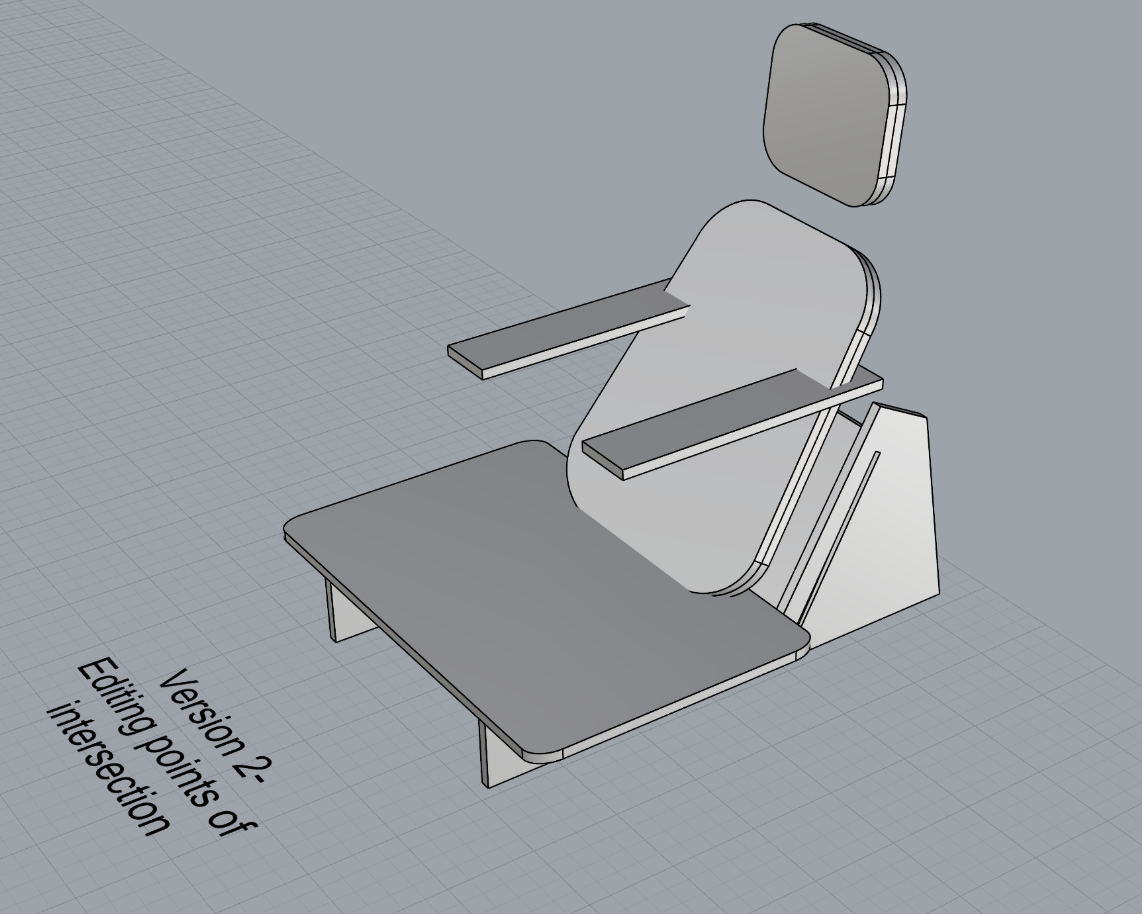
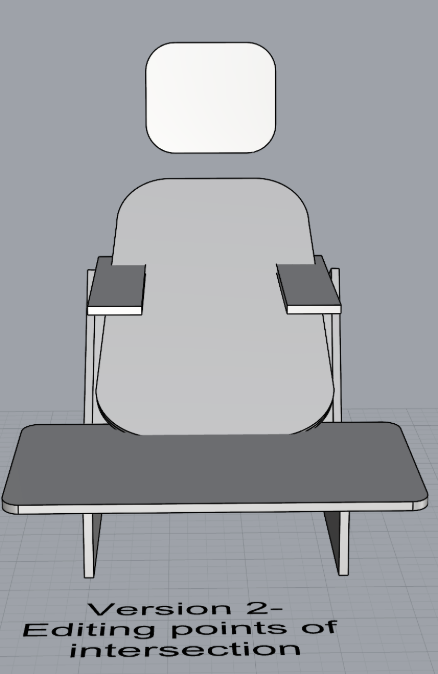
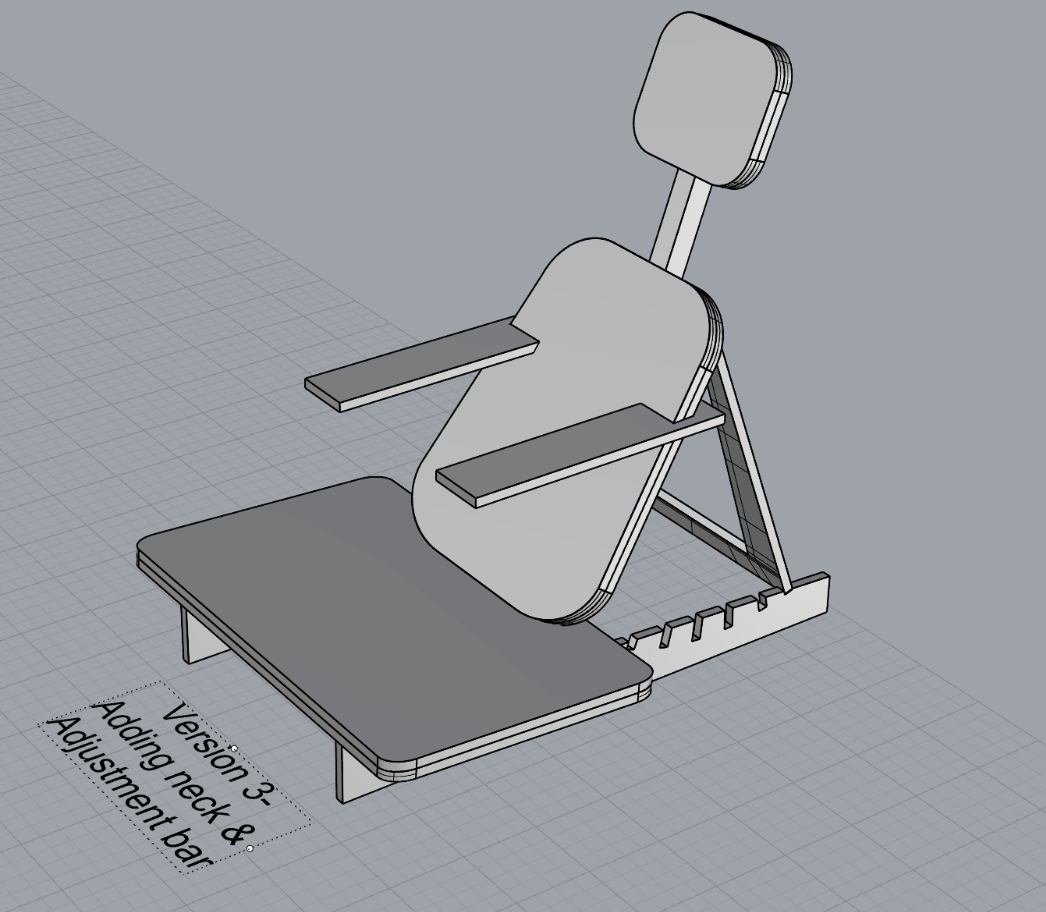
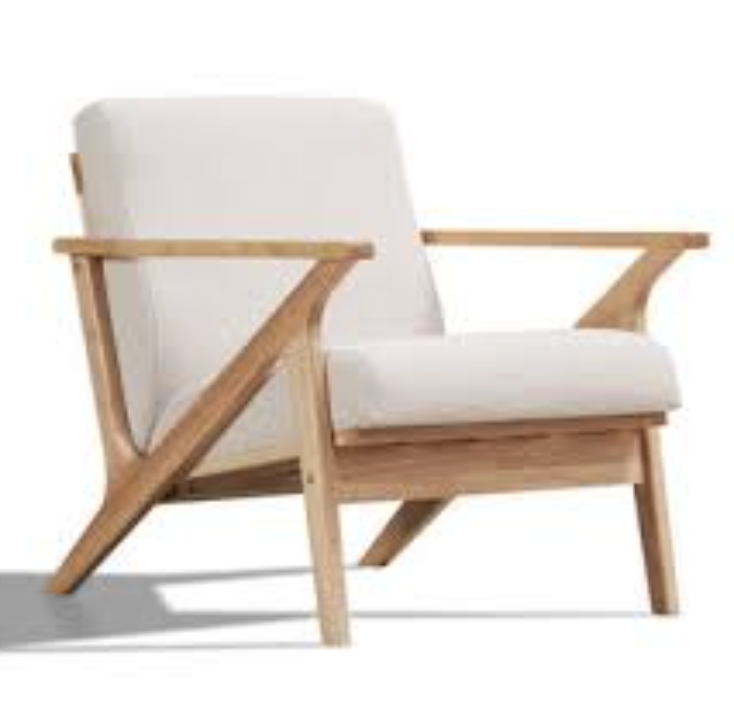
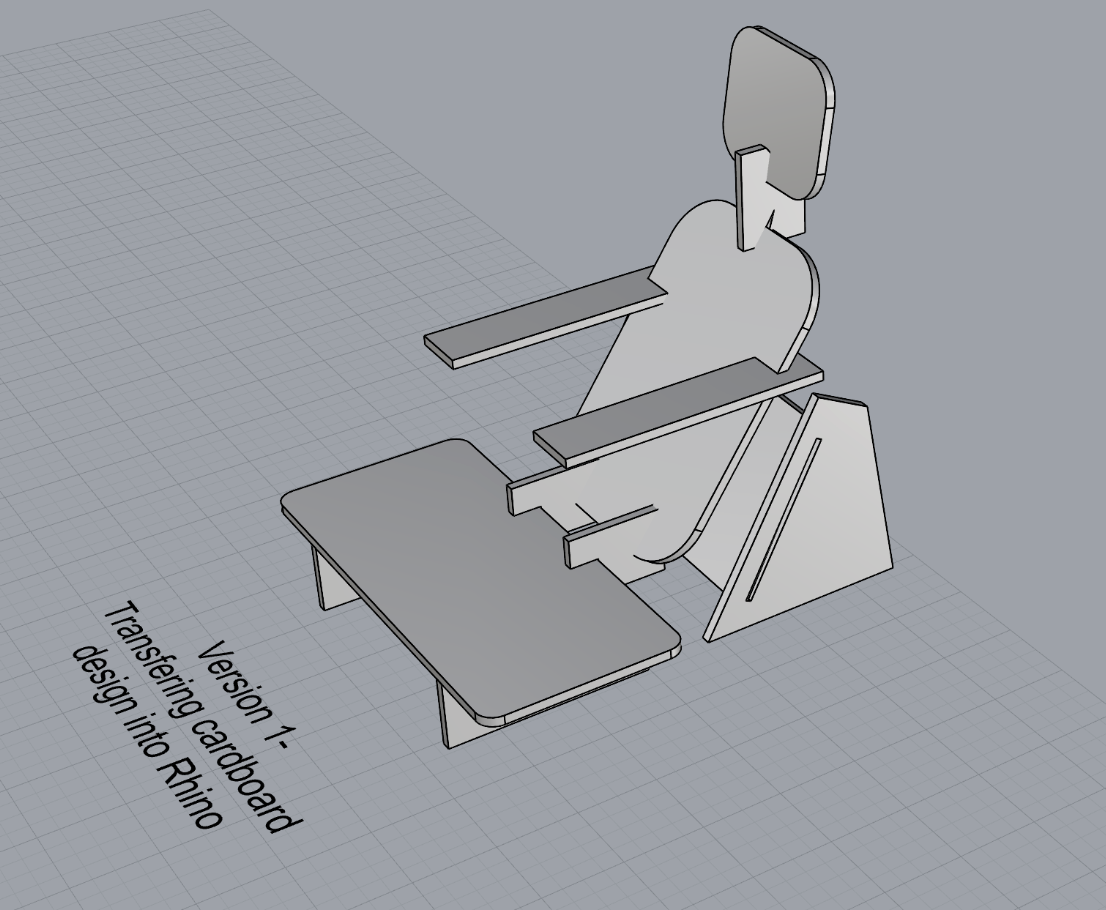
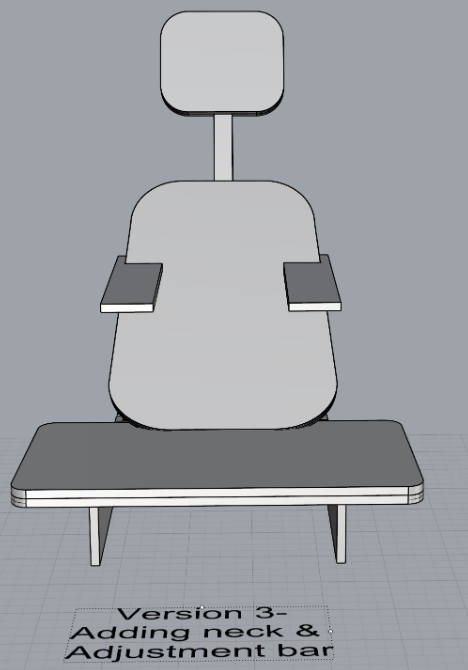
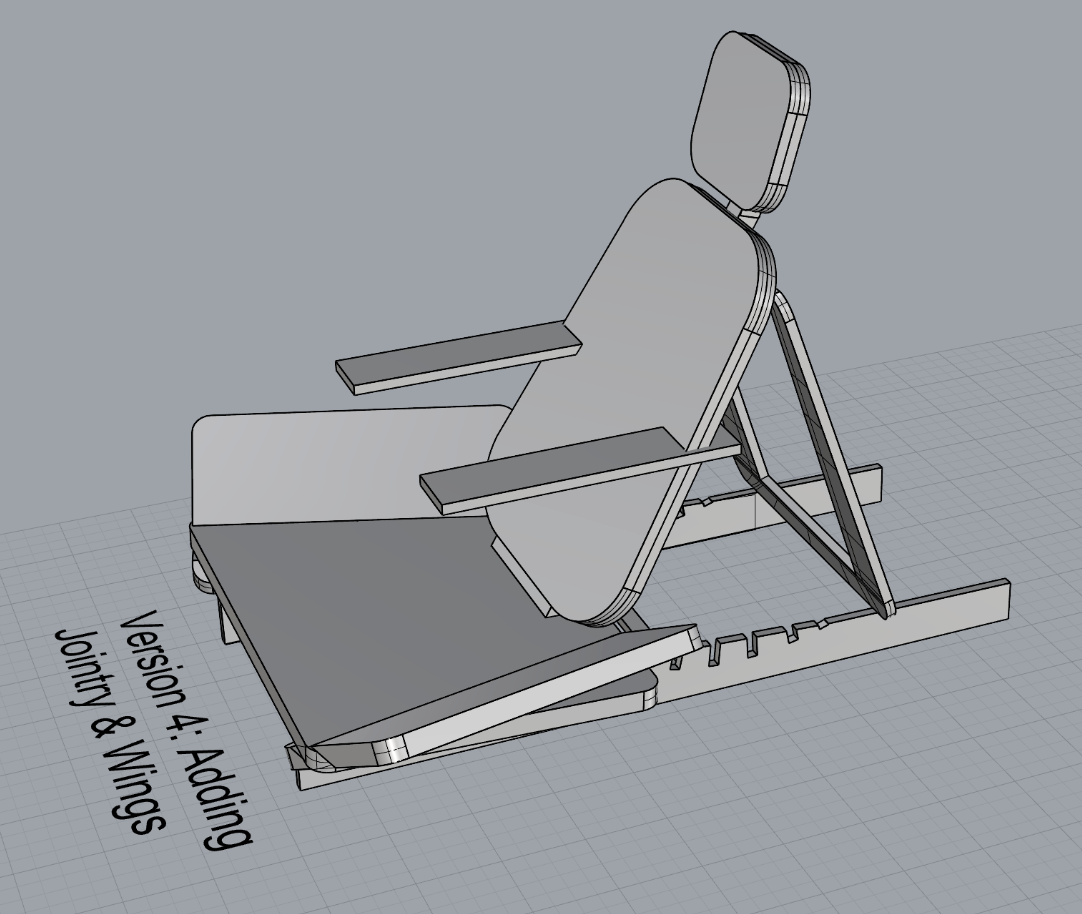
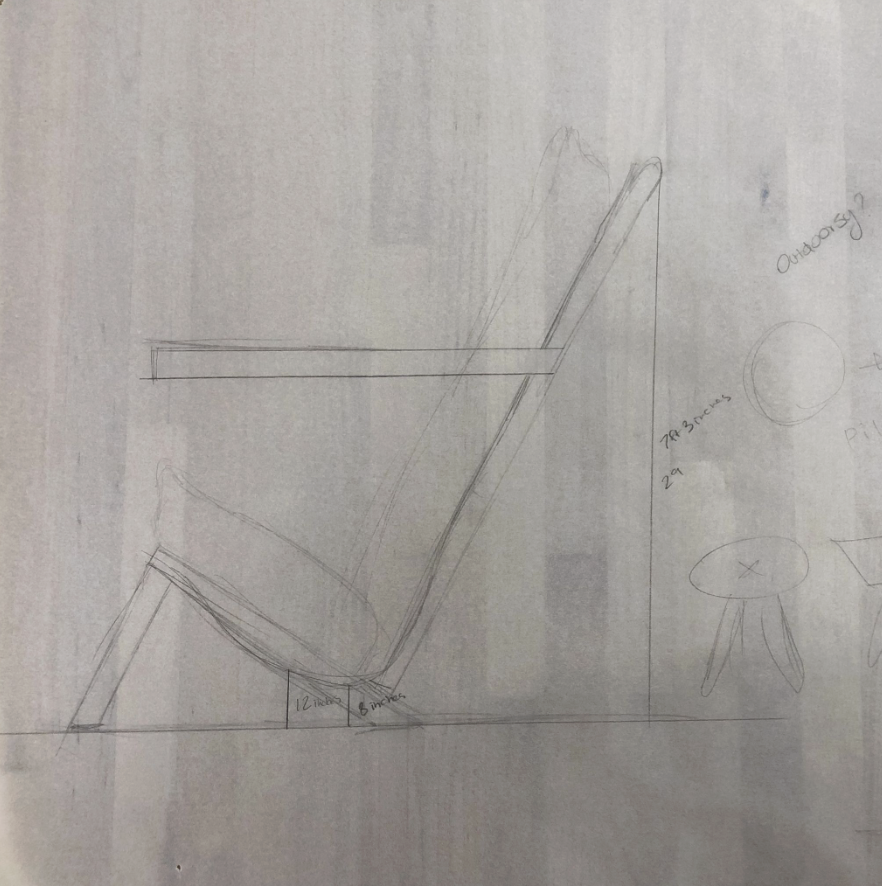
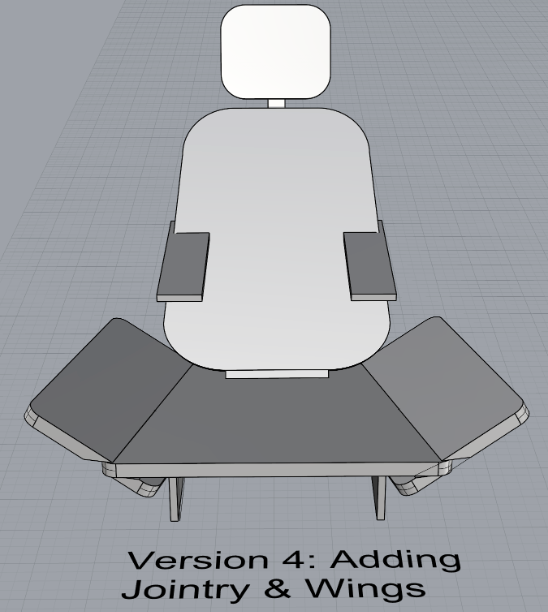
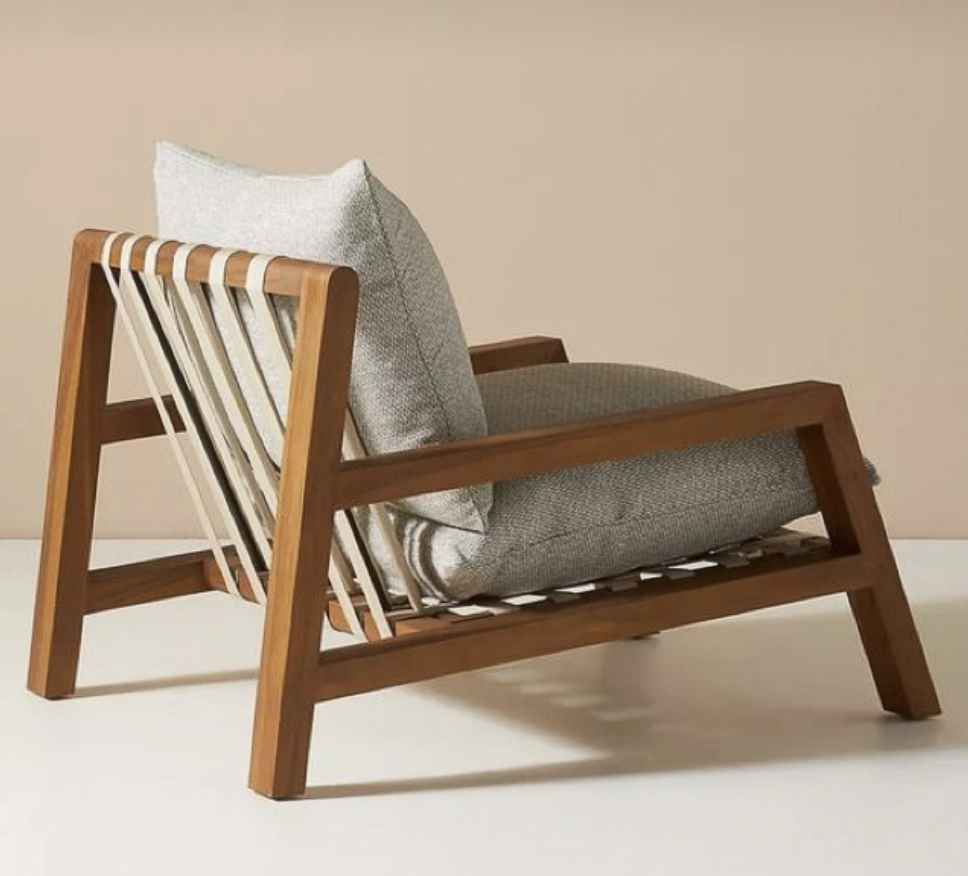
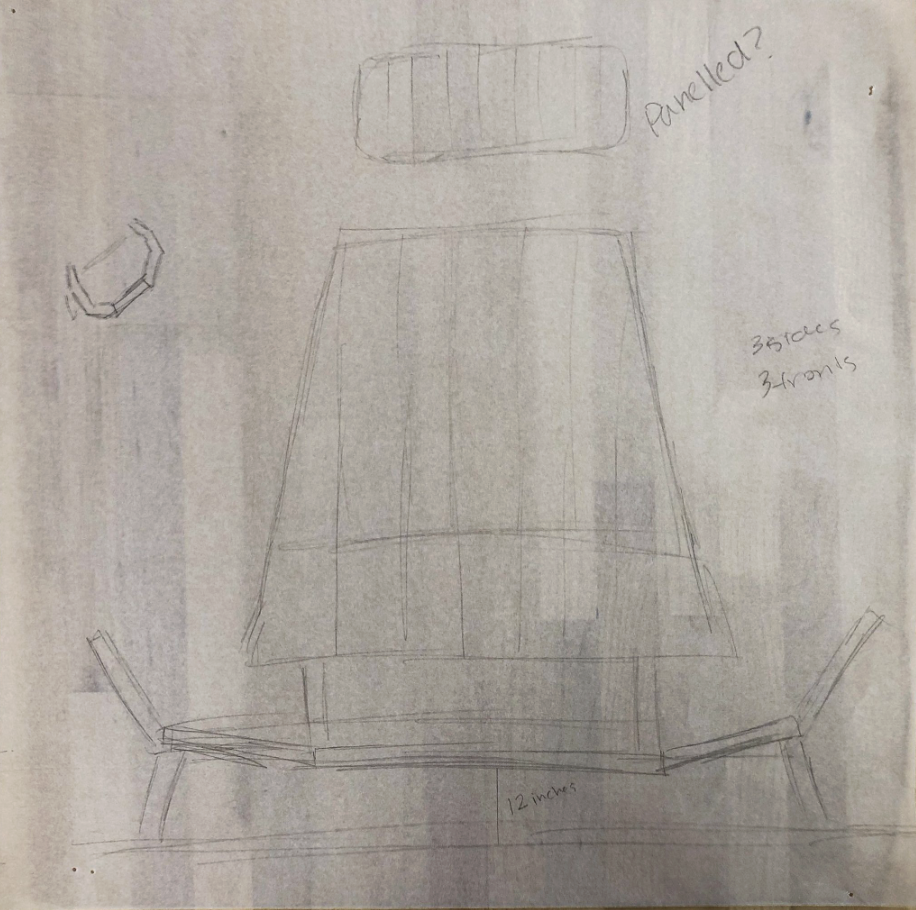
I developed the chair through iterative sketching, Rhino modeling, and scaled cardboard and plywood prototypes to refine posture, curvature, and hinge flexibility. Drawing inspiration from automotive seating and outdoor loungers, I shaped a continuous profile supported by slotted joinery and flexible hinge sections that allow for multiple recline positions. After finalizing the form, I created two customizable surface patterns, resulting in a versatile, modular chair that balances comfort, portability, and flat-pack efficiency.

What I learned

This project was my first full-semester product design class, where I learned the fundamentals of Rhino, ergonomics, and model-making. We began by creating miniature flat dolls of ourselves to design furniture around, which taught me how scale models improve ergonomics while saving materials and cost. Working with cardboard pushed my understanding of form, showing me that I could build almost anything with the right process. I expanded my Rhino skills, researched living hinges for bendable wood, and combined multiple fabrication methods—laser cutting, CNC milling, small-mill detailing, sanding, and finishing. Spending three weeks refining the final wood pieces taught me how digital tools and hands-on craftsmanship come together in real product design.